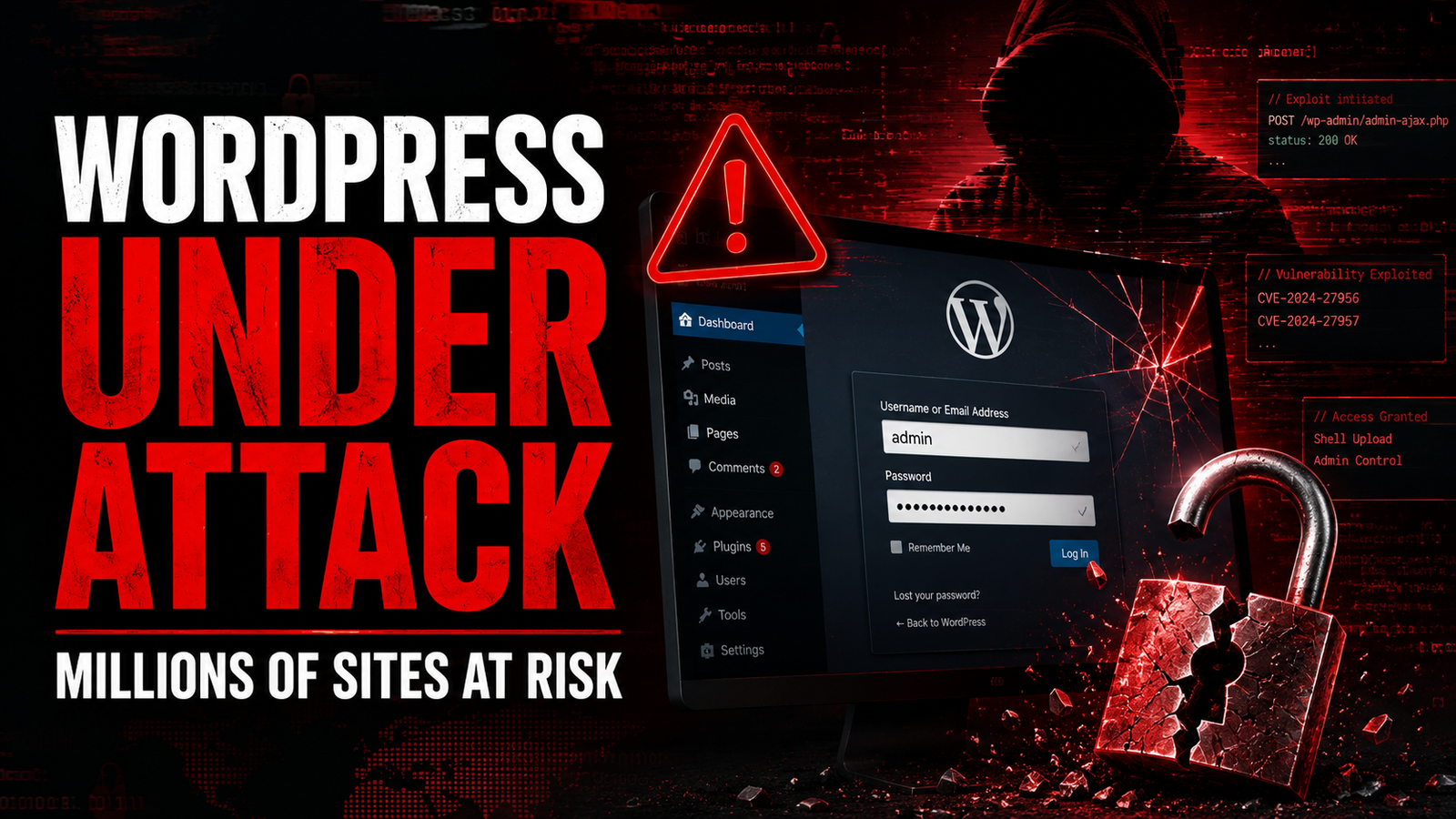
Hackers are exploiting recently patched WordPress bugs, and that makes this less like a routine security warning and more like a live risk story for a huge chunk of the web. The uncomfortable part is that even sites that usually think of themselves as “too small to matter” can be swept into these attacks if they haven’t updated fast enough.
A patch that came too late for some
WordPress recently fixed two critical flaws and urged site owners to update immediately. But cybersecurity firms now say attackers are already using those bugs in the wild, which means the window between disclosure and exploitation has been very short. The scale is what makes this story alarming: WordPress powers a massive share of websites, so even a small percentage of unpatched installs can translate into millions of exposed sites.
That is a familiar pattern in web security. A patch goes out, administrators delay the update, and attackers move faster than the cleanup. In this case, the pressure is higher because the flaws are severe enough to allow remote takeover when chained together.
Why this matters beyond WordPress
The bigger story is not just that WordPress has bugs. It is that the internet still depends heavily on software ecosystems where millions of people run the same core stack, often with uneven maintenance and very different security habits. That creates a perfect environment for broad exploitation once a flaw becomes public.
For website owners, the takeaway is blunt: patching is no longer optional housekeeping. It is part of keeping the business alive, whether the site is a personal blog, a company homepage, or an e-commerce storefront. If attackers can get full control, the damage can include defacement, malware delivery, stolen data, or the site being used to attack others.
The human cost of delay
What makes these stories frustrating is that the victims are often not careless, just slow. Small businesses, nonprofits, and independent publishers may not have dedicated security teams watching alerts around the clock. They hear about the vulnerability after the patch release, but their update cycle may still be tied to contractors, budgets, or fear of breaking a live site.
That lag is where attackers win. Once exploitation begins, the issue is no longer just a technical flaw; it becomes a trust problem for the entire platform. Users begin to wonder whether any site on the internet is actually safe to visit, especially if the site is outdated or lightly maintained.
The broader tech lesson
This incident is another reminder that the most dangerous vulnerabilities are often not exotic zero-days hidden in secrecy for years. Sometimes they are simply known bugs that too many people have not patched yet. In practice, that means the security gap is often operational rather than purely technical.
For the tech industry, the lesson is also about design and defaults. Software that powers millions of websites needs easier automatic updates, clearer admin warnings, and fewer steps between a patch and real-world protection. Until then, the burden stays on site owners, and attackers will continue to exploit the gap between disclosure and action.
What site owners should do
The immediate priority is to update WordPress core right away and check whether any plugins or themes are outdated. Site owners should also review admin accounts, monitor for unexpected file changes, and inspect logs for suspicious activity. If a site has not been updated recently, it should be treated as potentially exposed until verified otherwise.
This kind of story is a reminder that web security is rarely dramatic until it suddenly is. For millions of WordPress sites, the danger is not theoretical anymore. It is already in motion.